Monday, May 22, 2017

Interviews: Matt Chrystal and Some of Our Friends Discuss the Death of Chris Cornell

By christopher simon - originally posted to Flickr as IMG_0126, CC BY 2.0, Link

I Had a Taste So Sour, I Had to Think of Something Sweet 

The New Jersey Music scene reflects on the life of Chris Cornell and reacts to the news of his death.

Intro & Interviews By Matt Chrystal

Way back in April of 1994, we didn’t have social media to give us updates on current events. My high school buddies and I did not have internet or even cell phones to spread the news. And so my friend, Kevin, had to ride his bicycle faster than anyone has ever made the trek from his house on the other side of town to the park where we were all playing basketball to make the announcement. Kurt Cobain was dead.

Death by suicide.

Fuck.

I remember asking the one guy that had a car there to put on the radio or at least put on the Unplugged cd that he had laying on his dashboard. We spent a few hours talking about how unbelievable it was and then went our separate ways for the evening.

That night, I sat glued to MTV waiting for Kurt Loder, Tabitha Soren, or John Norris to give another update, to read a quote from Cobain’s friends or fellow musicians, to hear a statement from Courtney Love, to view people holding candlelight vigils all over the country, and to hear the thoughts and sentiments of other people who were left not knowing what to do next.

I needed to hear anything and everything about his death so that I could believe that it was actually true and also to believe that I was not alone in feeling this way for a man I had never met.
I was sixteen years old. I felt sad, confused, and hurt.

May 18, 2017. I check my Facebook newsfeed on my iPhone as I wait for my morning shower to get to just the right temperature. The first thing that I see is that a friend has posted the video for Temple of the Dog's "Say Hello to Heaven." The next post was from a former co-worker posting Soundgarden's "Black Hole Sun."

Fuck.

Someone died, right?

Still, even with that thought, I was not prepared for the third post:
"Chris Cornel is dead, suddenly and unexpectedly at age 52."

Fuck.

The day became a series of punches to the gut.

Chris Cornell is dead.

Death by suicide.

Suicidal ideation may have been a side effect of his prescription medication.

I am thirty-nine years old. I feel sad, confused and hurt.

I am not going to make apologies that I feel this way even though I never met the man.

I am not going to express embarrassment over how upsetting it is to hear that he has died.

And I know that I am not alone in feeling this way.

The music that Chris Cornell made on his own, and with Soundgarden and with Audioslave, touched, resonated, and made a lasting connection with countless people.

And just like when I was sixteen, I wanted to feel like I wasn't alone. I wanted to hear what some of those countless people thought. I wanted to learn how others connected with his music, and I needed to keep talking about it and hearing about it so that I knew it was real.

So I put on my "CoolDadMusic" shirt and reached out to several musician friends to ask them their feelings about Chris Cornell's music, their thoughts on his influence, and their reactions to the news of his death.

It would be easy to title this piece something related to the Soundgarden song, "Fell on Black Days." That song title would be a fitting sentiment for what happened to Chris Cornell, his family, his friends, and his fans because of the events of May 18th.

But there are more than just black days…

As I talked to more and more folks about this, sure, there is sadness, confusion, and hurt; but there's also optimism and there's compassion for others and hope that maybe someone else can be helped in the future.

And from the recollections and reflections you will read below, you will see that there's no shortage of fond memories, amazing moments, and a strong feeling of connection to Chris Cornell through his music.

With all that said, I can think of nothing more fitting to title this series of interviews than Cornell's own lyrics from the Soundgarden song entitled, "Like Suicide"…

"I had a taste so sour, I had to think of something sweet."

CoolMattyC:  Can you describe the impact and the influence that Chris Cornell and his music has had on you and / or on rocknroll and / or on the world?
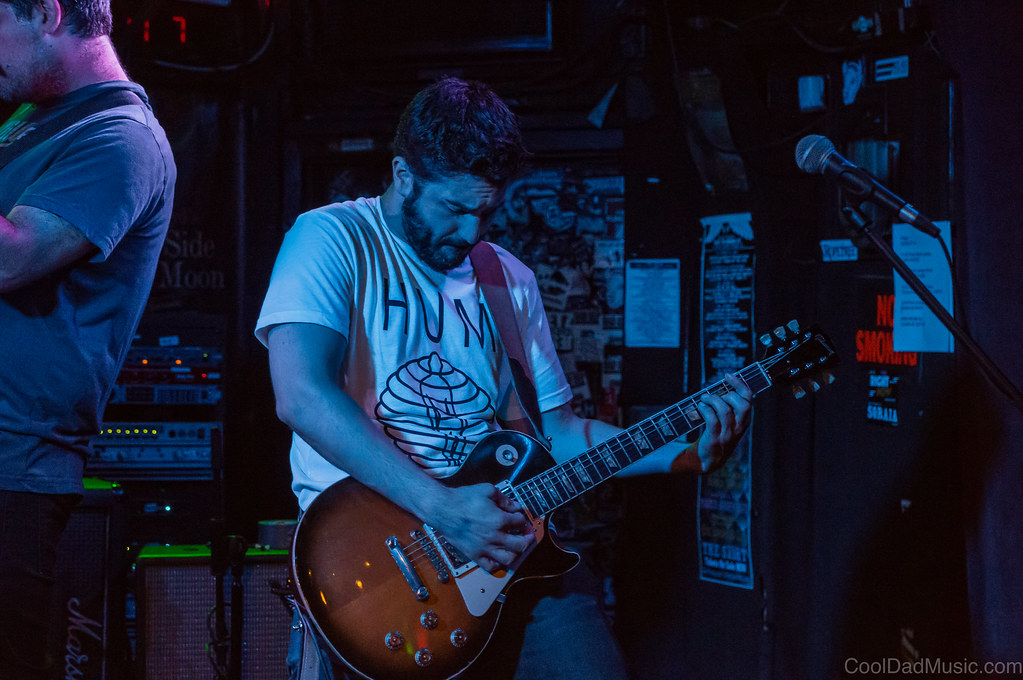

Joe Lanza

Joe Lanza (guitar/vocals for Rocky & the Chapter): The talent and artistry that Chris Cornell contained transcended far beyond most people's expectations of a musician. His concept of blending the whole spectrum of rock and roll into his own cohesive vision was done with such craft and mastery that it was completely seamless. From the heaviest of heavy, to angelic swoons, he covered it all with an effortless grace. The man exuded music of the finest caliber. He truly fits the definition of a rock god and has earned nothing short of legendary status.

Amy Dickman (co-founder of Little Dickman Records):  Soundgarden was one of those bands who were a constant staple in my youth, with each single being a time machine to a particular feeling and memory. I can remember where I was when I first saw the "Black Hole Sun" video and my little 6th grade friends at the time thinking I was a total weirdo for being so captivated by it. His voice narrated my youth and continued into my twenties with Audioslave and, for that, I will be forever grateful.
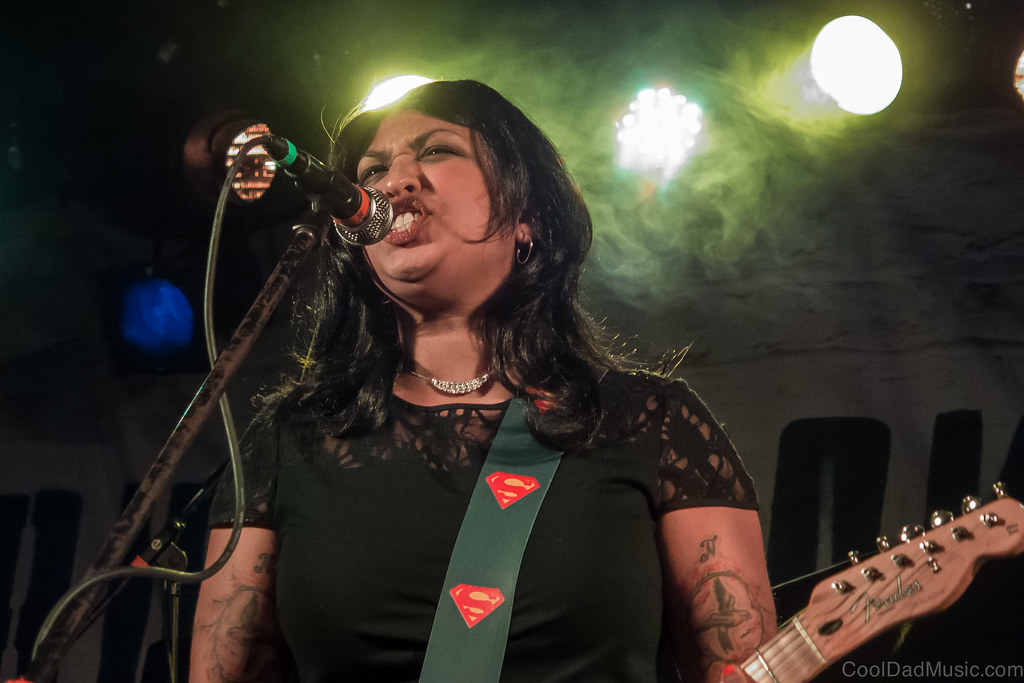
Angie Sugrim

Angie Sugrim (vocals/bass for Geez Louise): Growing up, the "Seattle Sound" and the culture it encompassed was one of the biggest influences on the person I am today. Like so many people who came of age in the early 90s, bands like Nirvana and Soundgarden provided the essential soundtrack to our teenage rites-of-passage. I would pore over every music magazine I could find, and the photos of the scene in the Pacific Northwest were nothing short of magical to a teen stuck in a bland suburb. The camaraderie between the bands leapt off the page. Soundgarden was at the center of that scene, playing dive bars to their friends in the mid 80s, the same organic start that so many bands had then which seems to be missing from music today.
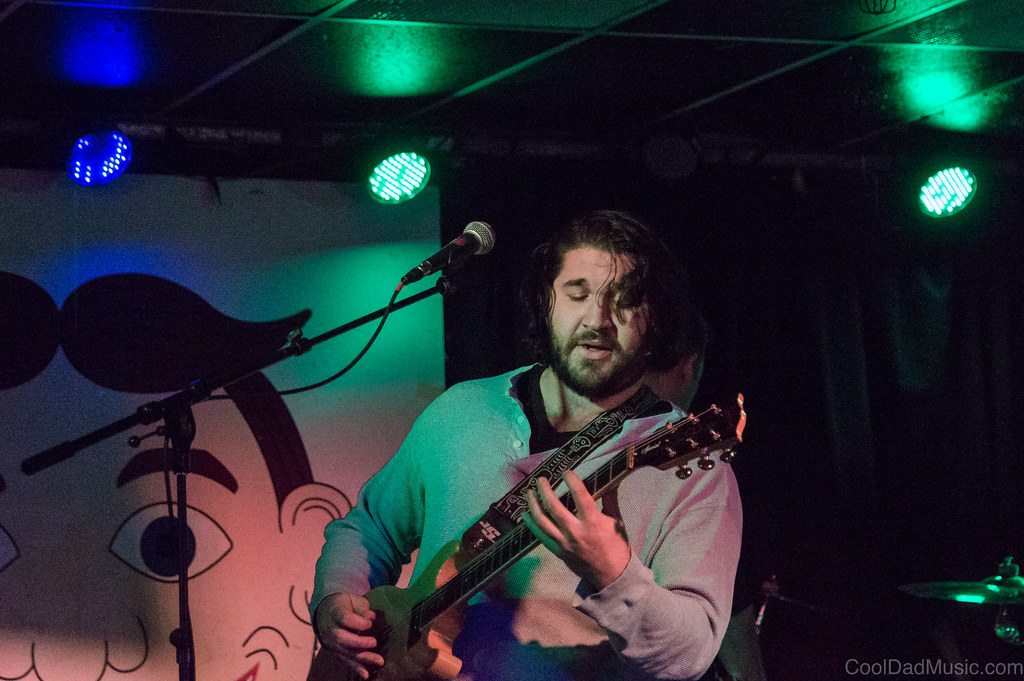
Adam Schlett

Adam Schlett (rhythm guitar/vocals for Deaf Rhino): The odds are that the perfect storm of songwriting talent, singing talent, and social influence will never be embodied again like it was by Chris Cornell and the other tainted heroes of his time. All of his bands have contributed timeless work to the gauntlet of rock n roll that myself, along with my peers and generations to come will enjoy and be in perpetual awe of. Thank you for the beautiful music.
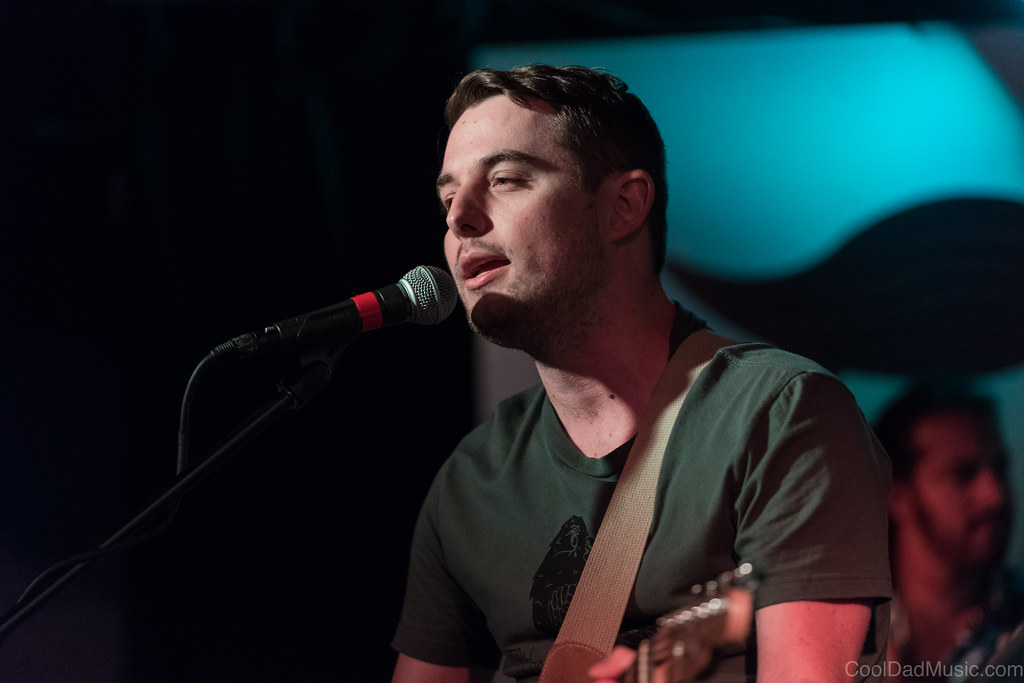
Colton Kayser

Colton Kayser (musician): Chris Cornell's music was definitely a part of the soundtrack to my childhood. I remember getting a hand-me-down Soundgarden tour t-shirt from my cousin when I was growing up. The first Audioslave record got heavy rotation in my middle school cd player. In college, I even had a class where we had to play "Blackhole Sun" as part of our final. His influence is so great in our cultural lexicon that you don't even realize it until he's gone.
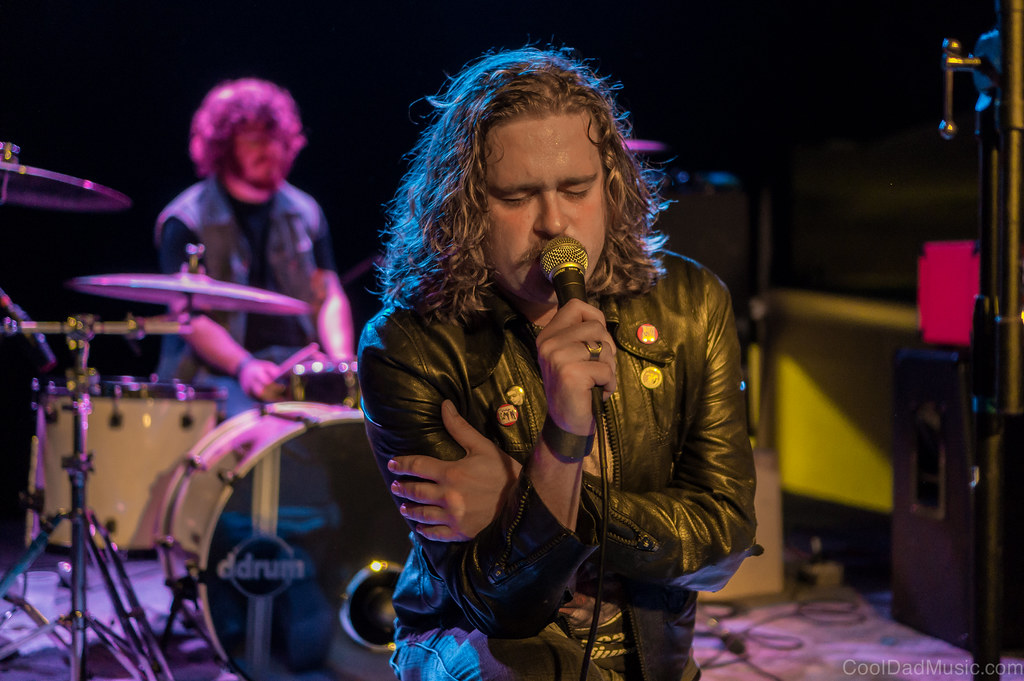
Ron Santee

Ron Santee (vocals for The Battery Electric/Jolly Daggers): I was never a really huge grunge guy, but I always did love Soundgarden. Chris's voice is just one of those indescribable voices that cannot be mimicked or faked. When he belted, you felt it.

Jim Appio (founder of CoolDadMusic.com): I was not a Soundgarden or Audioslave superfan; but, for some reason, I can remember vividly hearing "Outshined" in a bar (7B, aka Vazacs) on the Lower East Side of Manhattan back in 1991 and thinking, "So this is Soundgarden. Cool." It's such a small moment, but I remember it so clearly. Then CoolMom and I lived in Seattle from 1994 to 1999, and Soundgarden were just part of the daily soundtrack. I always loved "Black Hole Sun" and "Fell on Black Days."

Rev. Snake (guitar/dobro for Garbage Goblins):  I first saw Soundgarden at Lollapalooza in 1992 and last saw them at the (PNC) Arts Center in 2014. They're one of my most consistently listened to bands ever. I love Kim Thayil's guitar playing, but it was always Chris's songs that really got to me. I would always see him solo acoustic whenever I could. His voice was like no other.

To me, Chris seemed to be doing awesome.  He seemed sober and happy... He definitely sounded like he could've been a depressed guy at times as he wrote and sang about suicide more than once. But it was those songs that made me not do it when I was a teenager, especially songs such as "Like Suicide" and "Let Me Drown."

CoolMattyC: What where your initial thoughts and/or reactions when you first heard the news that Chris Cornell was dead, suddenly and unexpectedly at age 52?
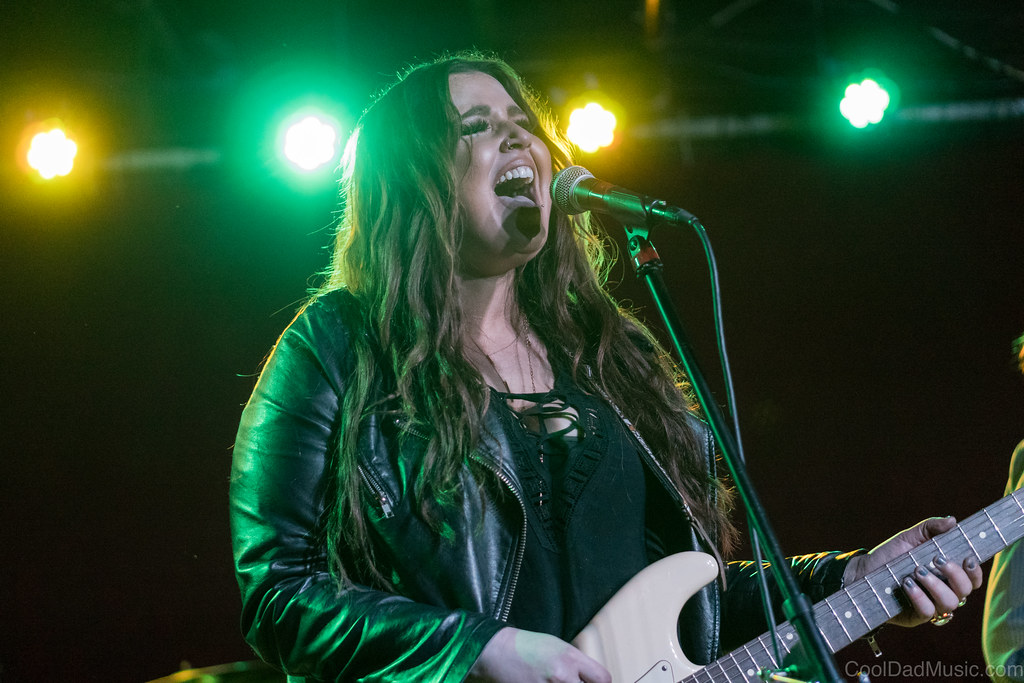

Amy Malkoff

Amy Malkoff (vocals/guitar for Lyons):  When I heard about the passing of Chris Cornell, my heart broke.

Joe Stalker (grunge enthusiast/party animal): When I hear about another one of these guys dying, it reminds me of that t-shirt with the dinosaur on it that says, "All my friends are dead." This is who I grew up listening to and still listen to. I get upset thinking about it.

Amy Dickman: His passing comes as a complete shock because I always thought he would be around, being the wildly successful musician that he was. He seemed to have it all. RIP Chris Cornell.

Colton Kayser: A beautiful voice gone far too soon.

Angie Sugrim: He was born for the purpose he lived out, and no comfort can ever bring back this glaring omission from the last generation of blue collar dudes who just wanted to play music because it was the best and only way to use their lives. God bless you and your family. Although you may not have always felt it, you were fiercely loved. Chris Cornell is already deeply missed.

Jim Appio (founder or CoolDadMusic.com): Just shock. We were very close in age, which still feels so young to me; and he was in good health as far as I knew. When I saw the "unexpectedly," I held my breath for what was coming next.

Ron Santee: I feel for his family and friends. It is a shame.

CoolMattyC: Would you mind sharing what you felt after you learned that that the official cause of Chris Cornell’s death was ruled as a suicide?

Amy Malkoff: There's a Demon and its name is Depression. It can possess anyone, and it hides itself very well. It hurts physically and mentally. I've struggled with depression / PTSD my whole life and have never openly discussed it before. Many people would never expect this. When you're in it and consumed, suicide doesn't feel like a selfish thing at the time. If anything, it feels like the world is being selfish for keeping you here. That's the demon. Creative people are usually very sensitive to this and the energies around them, whether it be people or environmental. Thankfully music, art, expression provides a release that comes from the soul. It's a hard thing for someone to comprehend or understand, or to even talk about. The best thing we can do as humans is just give unconditional love and understanding to those around us. Everyone is fighting a battle within themselves, and some of us lose, but everyone wants love.

Angie Sugrim: I don't know why suicide happens. It's a cosmic joke with no good punchline, no explanation, no reason, and perhaps worst of all, there is no way to fix it. Why beautiful souls with so much to give have to get whisked away in the few seconds they are alone is sickening at best. It's a perpetually asked question with no answer.
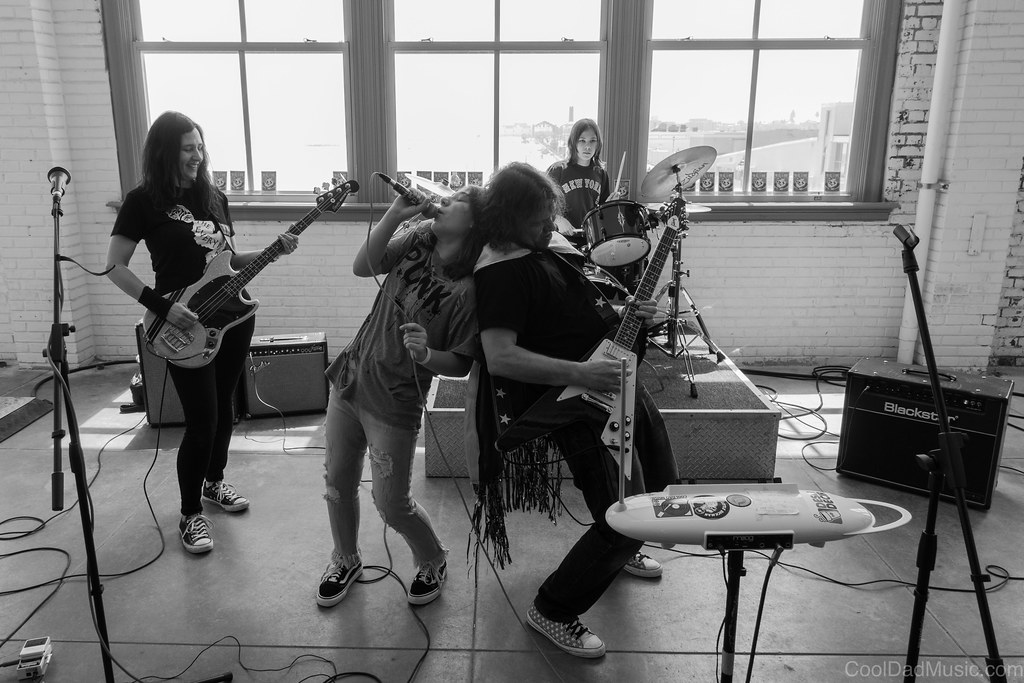
The RockNRoll HiFives

The RocknRoll Hi-Fives (family band): We talked about it a lot and it’s just really, really sad. The news was just very shocking.

Rev Snake: I've been thinking about what he did a lot. He had and was doing things that I thought everyone would want and would make anyone happy: a few dope bands, a rad solo career, a wife, and kids. So I can't believe he wanted to do it. I have to believe that the meds made him do it.

Joe Lanza: As we learned from Cornell's passing, even rock-god-legends have their own personal battles to fight. He was loved by his family, friends and every single one of his peers, but those inner struggles still existed. Somewhere along all the articles written about his passing, I read the statement that "it's okay to not feel okay." That statement is incredibly important, especially to those who know someone feeling this inward turmoil. If there's one thing every single human has in common, it's that we all face an inner battle to some degree. Some more than others. We should be taking this experience as an opportunity to check in with each other and offer an empathic understanding to those around us.
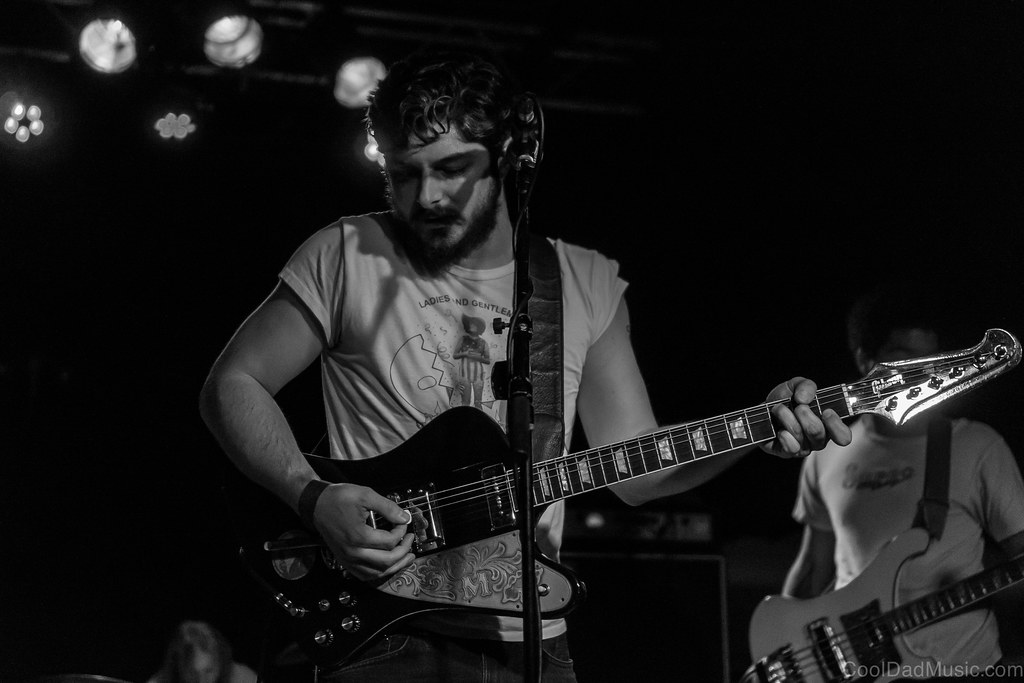
Conor Meara

Conor Meara (musician, Roy Orbitron): There are resources available for people struggling with addiction and I encourage them to seek help. I know this may be a mental health case, but I recently read that Ativan was involved. And drugs, prescribed or not, are being used by people for treating their symptoms of mental illness. My cousin OD'd on heroin when he was young, and my uncle started an organization called City of Angels that does really great, selfless work for people seeking help. If anyone needs it please go to: http://www.cityofangelsnj.org

If you are in crisis, please call the National Suicide Prevention Lifeline at 1-800-273-TALK (8255) or contact the Crisis Text Line by texting TALK to 741-741.

You Are Not Alone. Suicide is Preventable.

Full Disclosure: The writer, Matt Chrystal, is trained in ASIST (Applied Suicide Intervention Skills Training) and a certified safeTALK trainer (Suicide Alertness For Everyone) so, if you would like information about becoming more alert and better able to recognize invitations to talk from people who may be struggling with suicidal thoughts or if you are someone who is struggling with suicidal thoughts, he can be reached anytime by email at mattchrystal@gmail.com or by phone / text at 973-489-2969, or you can  go to https://www.livingworks.net/ or https://afsp.org/ for more info.

Friday, April 22, 2016

On Prince, Coolness, Dads, and Music


I was dreaming when I wrote this, forgive me if it goes astray…

by MomVee

I really loved Prince. He gave the world every kind of song. Who hasn’t quoted “Manic Monday?" When you’re sad, you can play “Raspberry Beret” or “Starfish and Coffee” and instantly feel better. We didn’t know how much we needed a song that started “Dearly Beloved…” until “Let’s Go Crazy” came out. We didn’t realize we needed a party anthem for the (almost) turn of the millennium. Or how much we would love to hear Sinead O’Connor sing “Nothing Compares 2 U” and Tom Jones cover “Kiss.” What is more danceable than “Delirious?" If you want to remember what it was like to be a teenager in a car, just cue up “Little Red Corvette.” Sexiest song ever? For my money, it’s “Slow Love.” And my husband can tell you “Purple Rain” is a solid karaoke pick.

Prince also gave the world a special kind of art. Like all the greatest entertainers, he used both artifice and vulnerability to connect to the world. On the one hand, he was constantly changing his look, reveling in externals; on the other, he was putting himself out there, speaking truth to power and shrugging at ridicule. He also defended his art. And while I was irritated yesterday at the difficulty of finding something online to share with my social media followers, I then remembered: this isn’t my expression, it’s Prince’s. It was okay for him to control it.

My father took me to see Purple Rain at the Red Bank theater the first weekend it was out, maybe the first night. Some parts were mortifying for a father and daughter to watch together, and that’s usually the context in which I tell this story. It’s more important than that, though. My father took my cultural education seriously, and that meant not just taking me to the Metropolitan Museum and American Ballet Theater, not just watching for Casablanca to come on TV, and making me read The Great Gatsby. It didn’t even mean just leaving the Beatles and Bob Dylan albums within easy reach.

My dad was always looking for the next thing -- sometimes one step behind me, sometimes one step ahead -- and sharing it with me. He was very sure about Prince’s genius. Prince had been on the scene for five years when Purple Rain came out, and firmly on the radar for two years thanks to “1999” and “Little Red Corvette” (one of the videos in early MTV rotation); but Purple Rain was when he really burst onto the scene.

My dad and I loved Prince’s music and his no-holds-barred persona so much that we bought into his whole brand and co-owned not only the Purple Rain LP but also Ice Cream Castle by The Time and later, Wendy and Lisa.

Once I missed the Grammy awards because I had play practice. The internet is failing me on identifying the exact year; but I remember when my father came to pick me up, he filled me and the rest of the carpool in on what Prince was wearing (a burnoose) and what he said (lost in the mists of time, but it was outrageous and charming).

I didn’t realize at the time how unusual -- how cool, as it were -- it was for a father to embrace an overtly sexy and androgynous pop artist and share that enthusiasm with his daughter. We didn’t have a minivan (he was an early music adopter but not an automotive one) but it was definitely what CoolDad calls minivan music, and CoolDad brings a similar openness to his listening -- sometimes one step ahead of his girls, sometimes one step behind.

Prince went a step ahead of us into the afterworld. In this life, we’re on our own. Let’s be cool to each other and keep looking for the next genius.

Prince

This is an AP photo from Prince's 2007 Super Bowl performance. The Super Bowl. I loved it then. I love it now. 

Rest In Purple

I was sitting in my car on Wallace St. in Red Bank getting ready to go home and continue my ongoing, year-long battle with the pedal that was stuck on my bike. My dad called. "Prince died."

"No. It's an Internet hoax," I said.

He turned away from the phone, "Is it a hoax?!?" he called to my mom. He turned back to the phone. "No. It's confirmed," he said. "57."

I was, surprisingly, dumbfounded. I turned on the radio, and "Let's Go Crazy" -- one of my favorite songs of all time -- was just starting with its full, album-edit length speech.

"'Cause in this life
Things are much harder than in the afterworld
In this life
You're on your own"

I amazed myself as I started for real crying behind my sunglasses.

Like on a lot of things musical, my brother was way ahead of me on Prince. My 14 year old self couldn't stand anything that was big-time, mainstream pop. If it wasn't Springsteen, Pink Floyd, The Who, The Kinks, The Beatles or some other -- let's face it -- old rocker dude or group of old rocker dudes -- I didn't want to know about it. He had Purple Rain on cassette, though, and a 7" version of "Let's Go Crazy."

Prince's genius had been seeping into my consciousness, though. I like to think that, as a pretty musically closed-minded teenager, I still had the capacity to let quality break through. In the early days of MTV, "Little Red Corvette" was a staple. I remember being drawn to the simple video of Prince performing in front of that mic and thinking to my 13yo self, "I don't think this is about a car."

And Purple Rain. Just the drama of all of those songs. Each one just stirs something in you. "Let's Go Crazy," "When Doves Cry," "I Would Die 4 U," "Baby I'm a Star," "Purple Rain," and "Darling Nikki." Once again, "Darling Nikki" made me, a hormonal teenager, vaguely uncomfortable. I almost feel like I'd look around furtively as Prince sang those lyrics.

Prince was undoubtedly a Top 40 pop star, and that stirred my initial aversion to him. But, really, what could be more rock and roll or more subversive than his overt use of sexual imagery? "Raspberry Beret" reached number 2 in 1985 and contains the lyric "They say the first time ain't the greatest / But I tell ya / If I had the chance to do it all again / I wouldn't change a stroke." Come on.

And his rock and roll rebelliousness carried over into his business dealings. His contentious relationship with Warner ended up in his refusing even to put his name to any releases for the label. "The artist formerly known as..." is still a running joke, but he was making a real statement by identifying himself as only an unpronounceable symbol. He'd appear in public with "SLAVE" written on his face until he finally got his freedom and released Emancipation in 1996. The New York Times gave a good (and concise) run-down of all this yesterday.

Hey. I was a dumb kid. I couldn't see that this guy from Minneapolis was doing more to change popular music than Pete Townshend or Roger Waters or Ray Davies. I just knew that Casey Kasem played his music every week, so *blech*. But he got to me somehow. He broke through all of those pre-conceived notions and turned me into something else. He turned me into someone who, 30 years later, would cry in his car over the death of some pop star.

Wednesday, March 9, 2016

George Martin, 1926 - 2016

Photo: Getty / Chris Ware

The Fifth Beatle

Henry Lipput has been a contributor here for a while. We met on Twitter, and we share a love of well-crafted pop music. Our listening habits differ just enough that I've really enjoyed what Henry has brought to the site in terms of uncovering things that I would have missed. Henry is a big Beatles fan; and when it came time to put something down about the passing of the visionary George Martin, I asked him if he wouldn't write something for us.

I, of course, have to get my own two cents in; and I'll just say that, before I even knew who he was or what "record producing" was, George Martin absolutely changed my life. He produced, without question, the greatest songs in pop music history (Take your pick. I have my favorites.); and that is an achievement as great as anything anyone has ever done in my opinion.

George Martin
By Henry Lipput

There are many people who are mentioned as, or claim to be, the Fifth Beatle. There’s Stuart Sutcliffe who played bass (not very well) when The Beatles needed to be a five piece in order to play in Hamburg. There's Brian Epstein, who managed The Beatles, and Murray the K, a New York City radio disc jockey who gave himself the title. And that’s just a short list.

But before The Beatles were songwriters (Mark Lewisohn in his first volume of the All These Years biography mentions that Lennon and McCartney didn’t write many songs until just before they began recording -- although McCartney has said they had notebooks with hundreds of songs.), The Beatles were musicians that honed their craft in clubs in Hamburg and Liverpool.

So, if we’re going to look at the Beatles as musicians, the Fifth Beatle should be someone who played on a lot of their recordings. Yes, Eric Clapton played on “While My Guitar Gently Weeps." Billy Preston played keyboards on many of the songs during the Let It Be sessions, and there were string players and horn players for a gig now and then. But no one other than the four Beatles played on as may recordings as did Sir George Martin.

He was also in the studio with them nearly every day. He suggested that “Please Please Me” be done at a quicker pace; and, when The Beatles recorded the new version, he said to them, “Gentlemen, you have your first number one.” And he was right. He suggested that “Yesterday” have strings rather than electric guitars and drums. He played piano on “Misery” on the first Beatles album, on “Money (That’s What I Want)" on the second, and sped up his piano playing on “In My Life” so it would sound like a harpsichord.

Sir George Martin passed yesterday at the age of 90. He had a long, good life and was a very class act. The Beatles were lucky to get Martin, and he was lucky to get them. The band could have ended up with another producer working in Britain like Shel Talmy who produced early recordings by The Kinks and The Who, but what Martin did in the studio has stood the test of time. The Beatles recordings (especially their preferred mono mixes) still sound as good today as they did 50 years ago.

I’d like to leave you with one my favorite examples of what George Martin brought to a Beatles recording. He was a classically trained musician who had not worked in the sort of music The Beatles had brought to his studio. Here’s the band’s version of “Long Tall Sally.” It’s done in one take with a great McCartney vocal and -- more than keeping up with the lads -- George Martin on piano. And he rocks.


Thursday, January 28, 2016

Paul Wilbert Powell

A Friend of Ours Lost Someone

If you've been to a show in Asbury Park any time during the last... ...I don't know... ...long time, you've probably met Bob Powell. He's a tireless supporter of local music, and he used to get an actual glass for his beer at Asbury Lanes. Bob's a friend of mine and is often the guy I swap stories with at shows. He lost his dad, Paul Wilbert Powell, on Monday.

You can read Paul Wilbert Powell's obituary here. He leaves three children, five grandchildren, and three great grandchildren and served our country through two tours of combat in Viet Nam. A visitation will be held from 3:00 to 5:00 PM on Sunday, January 31, at the Ely Funeral Home, Neptune. Funeral services will be held on Monday, February 1, at 9:30 AM at the Ely Funeral Home followed by a private internment at the General William C Doyle Veterans Memorial Cemetery.

I'm personally very sorry for Bob's loss. If you see him at a show, which you will, maybe buy him a beer and toast his dad's 83 years.

Monday, January 11, 2016

RIP, David Bowie


Rebel Rebel

I'm not a student of David Bowie. You won't get me waxing about Bowie deep cuts or some of his experimental forays. But his work wormed its way right along with me from the years I spent listening to Classic Rock radio right through to when my tastes changed to things a little more left of center. I'm sure Bowie helped me along that journey. That was his magic, I guess. Even his biggest, most mainstream hits defied classification or pigeonholing. Everybody loves a Bowie song, from garage rockers to punks to fans of pop or electronica. Everybody, at some point, had their mind expanded or opened -- even if only a little -- by Bowie's genius.

"Under Pressure." 11 years old, and I loved this damn song. I had no idea about the politics behind it, but it spoke to me by just being so epic. It's a song that will keep me in the driveway until it's over.

Danny McCallum and I would sit in his room after school, playing video games on his Commodore 64 and listening to Danny's brother's copy of Changesonebowie on the turntable. Bowie's androgyny was something alien to a couple of sheltered suburban kids in the early 80s. But the music and the artist seeped into our consciousness and into the fabric of pop culture. It made our stupid, 12-year-old brains more accepting of difference and individuality; and we never even knew it was happening.

"Space Oddity," "Changes," "Suffragette City," "The Jean Genie," "Rebel Rebel," "The Young Americans," and "Ziggy Stardust." Oh my God.

I'll admit that I kind of hated Let's Dance when I was 13 years old. It was a huge commercial success, and "Let's Dance" and "China Girl" were everywhere. To me, it was some weird rock / dance combination that I didn't get or like. I loved "Modern Love," though. I still do. Something about those other songs eventually wrapped itself around my mind; and, whenever I hear them, I think of the summer. Family vacations in Upstate New York. Feels like a weird association to have with David Bowie, but there you go.

There wasn't too much direct interaction with Bowie's music for me after the mid-80s. "Blue Jean" and the mind-blowing (to 15 year-old me anyway) "Dancing In the Street" video with Mick Jagger. Maybe "Fame 90." My high school girlfriend had a copy of Tin Machine 1 that her dad had given her, but I never really gave it a chance. I've checked out some of that Tin Machine stuff this morning, and it may deserve further research.

Madonna.

Eurythmics. Culture Club. Pet Shop Boys.

The Smiths. The Cure. New Order. Depeche Mode. Siouxsie And The Banshees. Psychedelic Furs.

Bauhaus, of course. Love And Rockets. INXS.

Nirvana's cover of "The Man Who Sold the World" on Unplugged is one of the greatest things ever aired on MTV, and I stand by that to this day.

Pixies.

Pulp. Blur.

Bloc Party. TV On The Radio. Interpol.

Gaga.

Of Montreal.

Arcade Fire.

Beach Slang.

There are 100s more bands and artists that can trace a direct line to David Bowie. The ones I listed are just the ones who have, at some moment, literally made me speak his name under my breath.

I may only be a casual David Bowie fan (a casual fan that knows all the lyrics to, maybe, a dozen or more of his classic songs). Even as a casual fan, though, I cannot measure the influence that David Bowie has had on my musical tastes. I cannot measure the influence that David Bowie has had on the way I see the world.

The cooldaughters were trying to sing along with "Changes" and "Ziggy Stardust" this morning as we drove to school. It's something that CD #1 does, even if she's never heard a song before. Kind of her way, I think, of committing something to memory that she likes. They're 12 and 9 years old in 2016. They may not know it, but David Bowie changed their life this morning.

Monday, October 28, 2013

Lou Reed (1942-2013)

New York

I was going to write something about how much I love – and I do – The Velvet Underground. I was going to write about their influence on bands like R.E.M., Big Star, The Feelies, Yo La Tengo, The Strokes, Titus Andronicus… oh, and everybody else. I was going to write about hearing The Velvet Underground and Nico and trying to imagine what people hearing that record in 1967 must have thought of the sound and subject matter. But, for me, when I think of Lou Reed, I think of his finest solo record, New York.

My girlfriend’s dad turned to me at a party – I feel like, maybe, it was some type of birthday celebration for my girlfriend’s grandfather or something. “Did you hear that new Lou Reed song ‘Dirty Blvd.?’”

“No. Not yet.”

“’Give me your hungry, your tired, your poor. I’ll piss on ‘em. That’s what the Statue of Bigotry says.’ You’ve gotta hear it.”

This was 1989, so I imagine that I just had to keep my ears peeled for the song to show up on WNEW or something. It wasn’t like I could go to YouTube and watch the video. I must have heard the song soon after, because New York was with me for the rest of my time at NYU. It wouldn’t be an exaggeration to say, that for the next 3 years, I listened to that record a couple of times a week.

New York opens with “Romeo Had Juliette,” the opening guitars of Mike Rathke and Reed setting the scene for the anger and the grit that’s to come over the next 57 minutes. Reed (“The Original Wrapper”) talk-sings his way through a song full of moments that, when I listen to it now, I wait for with an excitement that hasn’t faded over the years:

“Romeo Rodriguez squares his shoulders and curses Jesus. Runs a comb through his black pony tail.”

“And her voice was like a bell!”

“I’ll betcha I could hit that light with my one good arm behind my back, says Little Joey Diaz.”

“Manhattan’s sinkin like a rock into the filthy Hudson. What a shock. They wrote a book about it. They said it was like ancient Rome.”

I was at NYU at the time, living first at Washington Square, then Union Square, then Third Avenue at St. Mark’s Place. When I hear those lyrics, any of the lyrics on the album really, I think back to my experience in New York in the late 80s – early 90s. Not always things specifically related to the songs, necessarily -- just images and moments, like those words, that have lodged themselves in my brain:

  • There was a girl in one of my classes. I don’t remember her name. We became friends. She told me her dad was from Croatia; and, as a 19-year-old kid, I didn’t know where that was. We went to see a Brecht play together – In the Jungle of Cities, maybe. Then she was gone. I think she left school.

  • My roommate and I had an unlimited membership at Kim’s Video on St. Mark’s. I watched every weird, independent movie they had there. I loved Hal Hartley’s Trust. When Adrienne Shelley was murdered a few years ago, I actually cried.

  • We all used to go drinking at places like Holiday, The International, Mars Bar, 7B, Sophie’s. I’m pretty sure I was underage most of that time. Nobody ever asked for my ID.

  • When you were looking for an apartment, you’d go wait at the newspaper box in front of the Astor Riviera Café, so that you could get the Voice as soon as it came out on Tuesday night and get a jump on the listings.

  • Ed Koch and David Dinkins were the mayors.

“Halloween Parade” is quieter, sadder. There are a lot of people missing from the parade in the song.

“In the back of my mind, I was afraid it might be true. In the back of my mind, I was afraid that they meant you.”

For a kid from the Jersey ‘burbs, that parade was a sight to see. I loved it, but I was only a spectator, an outsider. On that song, Reed makes us all insiders and you can feel the sadness and the fear that were big parts of New York at the time.

On songs like “Beginning of a Great Adventure” (“redneck lunatics… …with their tribe of mutant inbred piglets with cloven hooves,” “I’ll be as progressive as I can possibly be, as long as I don’t have to try too much”), “The Last Great American Whale” (“Americans don’t care for much of anything, land and water the least.”), and “Strawman” (The baseball fan in me always liked to believe that the “Strawman” of the title was some kind of reference to the Mets’ Darryl Strawberry as a symbol of the excesses listed in the song.), Reed is critical of both the right and the left, each of whom sat in their own wing of a really nice house looking down on the little people. That rich/poor divide – yuppies, “gentrification” – was also a big part of the atmosphere of 80s and 90s New York.

I was always kind of scared of Lou Reed, like, if I met him, I’d be afraid that I would say the wrong thing and he’d just dismiss me as the idiot I was. New York reinforced that image of Lou Reed for me, and that just made him cooler to me. And the record, musically, just sounds cool. It probably started the third or fourth or whatever garage rock revival and gave us bands like The Strokes who tried to imitate Lou’s cool, but didn’t truly have it flowing through their veins like he did.

This was a ramble, I know. But I love New York. I love Lou Reed. And I love New York. CoolMom came home from the grocery store yesterday and found me with a whiskey in my hand and tears in my eyes.

I told MomVee once that I view my life as one long radio show or rock concert with songs or albums representing specific moments. For me, Lou Reed and New York will always represent the time I spent not only living in New York City, but also growing from a kid to an adult and finding out who I was.

Lou’s next album, Magic & Loss, didn’t speak to me in the same way as New York. Maybe that’s because it was so personal for Lou. But I always enjoyed the song “What’s Good.”

“Life’s like a mayonnaise soda. And Life’s like a space without room. And Life’s like bacon and ice cream. That’s what life’s like without you.”

Wednesday, July 17, 2013

Goodbye to The Fastlane

Photo taken from www.asburypark.net
The House That Rocks the Jersey Shore

This may come as a surprise, but I've never been a guy that saves concert ticket stubs or has a spiral notebook full of all of the shows I've ever attended. Even now, I don't take any notes other than mental ones when I'm at a show. The way I figure it is that I'm not trying to be a journalist. I'm trying to write about how a show made me feel, what really touched me. That's the stuff that I remember the next morning, and that's what I put into my reviews.

Today, I saw a picture showing that the external demolition of the structure that used to house Asbury Park's Fastlane has begun. The club has been shuttered for a while, but I spent the drive home from jury duty today trying to remember some of the shows I attended there. Like I said, I have no notes or ticket stubs. I don't have a particularly good sense of the chronology, but this is what I could remember.

My friend Lloyd and I went to see John Wesley Harding there in 1991 during his tour for The Name Above the Title. I know it was 1991 because in Gary Wien's Beyond the Palace, former WHTG DJ Mike Sauter recounts a story about Harding's late arrival to the stage. Little Steven was playing down the street at the then moribund Stone Pony. According to Sauter, Harding stayed at that show as long as he could, hoping -- as people do to this day -- for a Bruce Springsteen guest appearance.

I don't recall getting too bent out of shape over Wes's lateness. I do remember that either Lloyd or I grabbed a cigarette from Harding as he passed it into the audience and how excited I was when he and the band started playing "Save a Little Room for Me," which remains one of my favorite songs from Harding's catalog.

My brother and I went to see Cracker there, probably in 1992 or so. Two things spring to mind when I think of that show.

First, I remember being pressed right up against the stage during "(I Was Born in a) Laundromat." I looked across the way and made eye contact with a young woman. I smiled. The way she was staring at me, though, was kind of strange. Then her eyes widened, and a wave of crowd surfers crashed over me, pinning me to the stage beneath the pile of their bodies.

Second, as we walked out from what I guess must have been a pretty early show, we bumped into my future sister-in-law and her friend just coming in for 1980s dance night. I can't even remember if she and my brother were together at that point; but they exchanged a quick, cursory greeting. Then my brother and I headed home.

Here's where the chronology starts to get a little hazy. A bunch of friends and I went to see They Might Be Giants one hot summer evening. If it was during the Flood tour, it would've been around 1990. I feel like, though, it was probably Apollo 18, putting it closer to '92. Anyway, I just remember that it was brutally hot. I was standing behind my friend Dina, and her long hair kept getting stuck to my sweaty face. One of the Johns commented that Asbury Park was where bands truly showed their mettle because it was there that bands were put through the "oven test."

Finally, most importantly, and most remarked upon by me, CoolMom and I went on one of our earliest true dates (I like to say it was our first) to see Paul Westerberg at The Fastlane. This would've been for 14 Songs, making it 1993.

Now, I've scoured the Internet for even a scrap of information about this show. I am positive that it happened at The Fastlane. The only thing I've come up with, though, is a bootleg CD called Gravel Pit that fits the time almost perfectly. But it supposedly took place at The Stone Pony. Either Westerberg played two shows in Asbury Park between 1993-1994 or that CD is mislabeled. I haven't heard it, so I can't confirm whether or not The Stone Pony gets a specific shoutout.

At any rate, it was a momentous show for me, for obvious reasons. I remember standing extremely close to one of the speakers -- so close, in fact, that I have this image in my mind of CoolMom actually sitting on top of it. I remember that Westerberg wore a burgundy velour or corduroy blazer (Strangely, I feel like John Wesley Harding also wore a burgundy / maroon / red blazer, oversized in the shoulders). I remember being totally smitten with this woman with whom I'd been drinking buddies for, probably, the previous year. We'd originally bonded over loving the same music, and here we were watching one of our heroes.

I'm sure I saw other shows there, but those are the ones that stuck. And I'm not sitting here crying over the fact that the empty, now blue structure is going away. I actually think that some outdoor space at Asbury Lanes will be nice.

We're getting closer to losing Maxwell's, the jewel of the New Jersey music scene. Thinking back on The Fastlane, that space with the carpeted bleachers, and all of the acts that came through there kind of makes you think that, maybe, Asbury has a chance at filling the void that will be left after July 31st.

Tuesday, June 4, 2013

Maxwell's Is Closing

The End of a Very Short Era for Me

I'm not going to sit here and pretend that Maxwell's was a big part of my youth or young adult years. A good chunk of my prime, nightlife-consuming years actually happened very far away from New Jersey in Seattle. CoolMom and I didn't have an important, early bonding experience at Maxwell's. That actually took place during a Paul Westerberg concert at the Fastlane in Asbury Park. It wasn't until later that same year that CoolMom and I took in a Yo La Tengo set at Maxwell's.

The place still had an effect on me, though. All of those Yo La Tengo records that I grew to love during my years in Seattle, record labels Bar/None, Matador and, eventually, Merge, the entire network of indie rock clubs nation-wide -- they can all trace some part of their lineage to that back room in Hoboken. More recently, at the risk of sounding like I'm overstating things a little, Maxwell's played a big part in kind of saving me.

A little while back, a friend of mine asked, "So what's with going to so many shows and buying, like, every single album that comes out?" I told him that I'd been kind of lost. I was really bored and really unhappy with many parts of my life that weren't CoolMom or the cooldaughters. It wasn't until I started my "second job," with CoolMom's full support and understanding (she really gets me, that woman), that everything started to brighten.

I've always loved rock music, and they always tell you to do what you love, right? I threw myself full-bore into CoolDad Music and started consuming as much music as possible so I'd have something to write. That meant listening to as much music and going to as many live shows as I could. Maxwell's, then, became a large part of my rotation.

Now, we're only talking about a year here; and I am a 40-something, suburban husband and father of two. Hoboken's like an hour away from me, so I think it's been only three shows at Maxwell's in the last year. But each was fantastic. I got to see a road-seasoned Titus Andronicus on, basically, their home turf. That same friend and I saw Jersey rock heroes The Everymen along with The So So Glos on a cold Sunday night just before The So So Glos began blowing up. And I will remember the joy of the Don Giovanni Records-hosted record release show for Shellshag for a very, very long time.

At each of those shows, I got to speak with people who are making music that's important to me, shake their hands, tell them how much I enjoy what they're doing, offer to buy them a beer. After each of those shows, I came home and wrote about my experience. My own form of personal therapy.

Now, it's closing. With the exception of a couple of shows prior to going off to grad school (I wanna say that I also saw The Cavedogs there sometime around 1990-91), my relationship with the place really just started. Over the next 55 or so days, I should be there a few more times. If you're planning to see Condo Fucks, The Feelies, The Everymen, Titus Andronicus, or the farewell show, come say hi. I'll buy you a beverage, and we can toast one of the most important spaces that American indie rock has ever seen. And we'll toast the fact that it was right here, right here in New Jersey.


Saturday, December 22, 2012

Ten Strummerless Years

Miss You, Joe

Earlier this week, NPR published a piece on Joe Strummer to mark the tenth anniversary of his unexpected death.  It's the only such article I've personally seen so far.  I feel like there ought to be more.


Tuesday, July 31, 2012

RIP Bill Doss

Bill Doss (1968-2012)

Bill Doss, a founding member of the Elephant 6 music collective and The Olivia Tremor Control, has passed away at the age of 44.

The 1960's-influenced pop from Elephant 6, which included acts like Neutral Milk Hotel, The Apples In Stereo, Beulah, Elf Power, and the Olivia Tremor Control takes up a good deal of space on my hard drive, and has meant a lot to me over the last several years.  You can hear the influence of Elephant 6 on many of the most popular bands in mindie like The Shins and Beirut.

I'll say thanks to Bill Doss this evening by revisiting some of those Elephant 6 bands.


Friday, May 4, 2012

Can't, Won't, Don't Stop Edition

Friday Night

Have a drink for Adam "MCA" Yauch tonight, and

Rock on...


Friday, April 20, 2012

Thursday, April 5, 2012

The Father Of Loud

Dr. Jim Marshall OBE, Creator of the Marshall Amp, Dead at 88

Jim Marshall helped define rock music both sonically and visually.  When, at the request of Pete Townshend and Ritchie Blackmore, he created an affordable amplifier to compete with the popular American amplifiers of the late 1950's and early 1960's, the "Marshall Stack" and the British sound was born.

Marshall's contribution to rock 'n roll cannot be exaggerated, so have a drink for him tonight.